The Storyteller
I’ve never been asked in a job interview if I’m a storyteller. I get it, because most stakeholders and investors aren’t interested in whether a potential candidate can tell a good joke or recount a pleasant anecdote. Storytelling is rarely in a leader's role description.
And yet, storytelling is one of the most powerful but underused resources in a leader's toolkit. It can draw teams together, inspire vision, and deliver positive results. Stories have a beautiful way of cutting through the noise of data and give a team clarity of purpose. The ability to tell a good story demonstrates an understanding of the people, challenges, resources, and mission. This quality is not always seen in those who come to the table with all the practical skills that match perfectly with a role description. These are all important, but practical skills don’t draw people together; stories do. If I could make one recommendation to new leaders, it would be this: understand the story you find yourself in and develop the ability to tell it creatively.
How do you develop the talent? Find ways of adding creativity to your communication, and then practice. I’ll offer you two examples.
In my current role, any front-facing public communication we do involves creative elements. Our Town Hall meetings have a creative hook or theme to focus the information we need to deliver. For example, our Q1 meeting was themed, “WM2026,” where we themed our meeting around expectations of a flight. We paralleled all of our departmental updates around similar ideas for in-flight service: Safety, Crew updates, Maintenance, Entertainment, etc. Our meeting invitations were delivered to residents as boarding passes. When our residents “checked in, their pass was used to enter them into a draw.

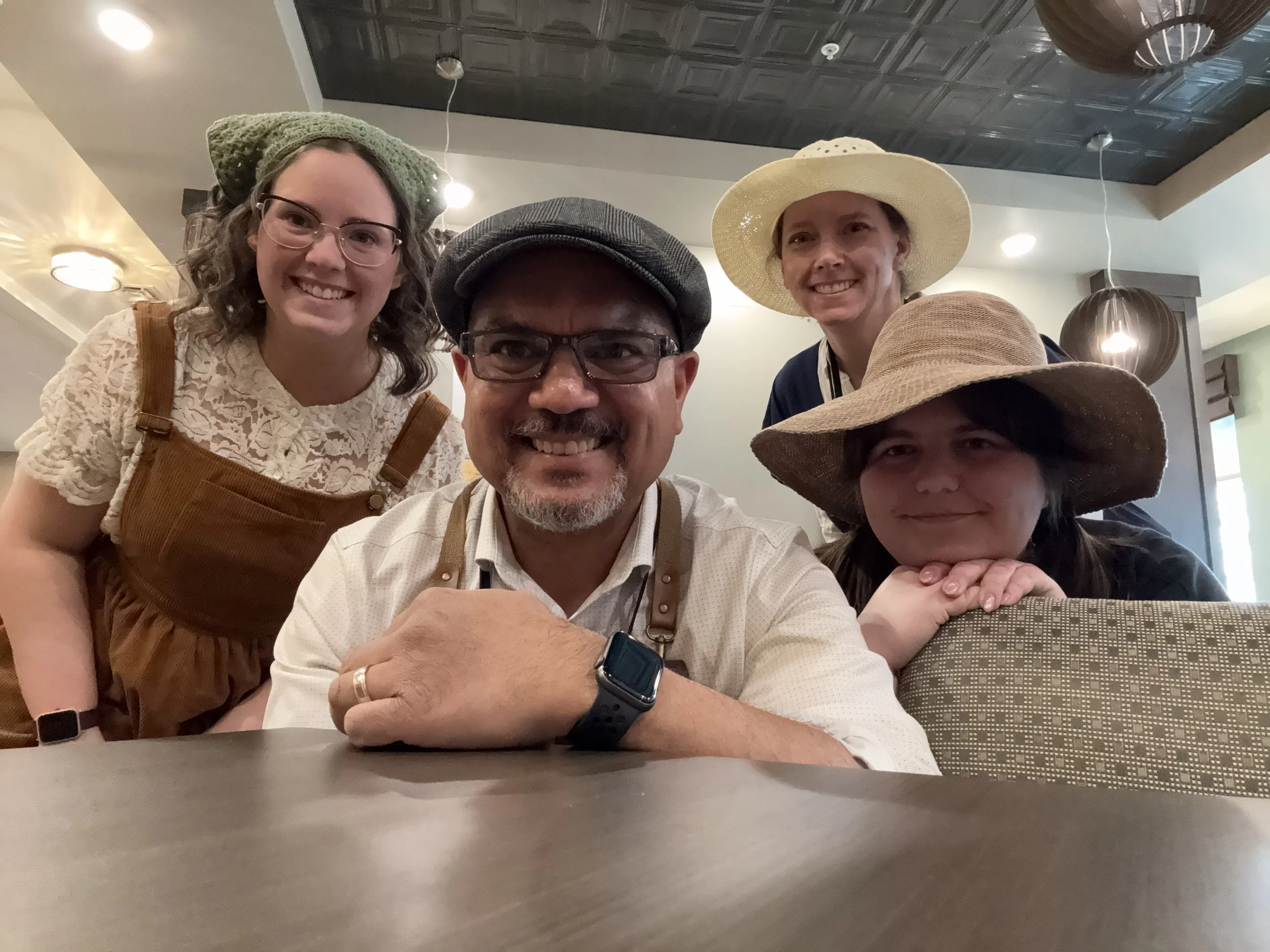
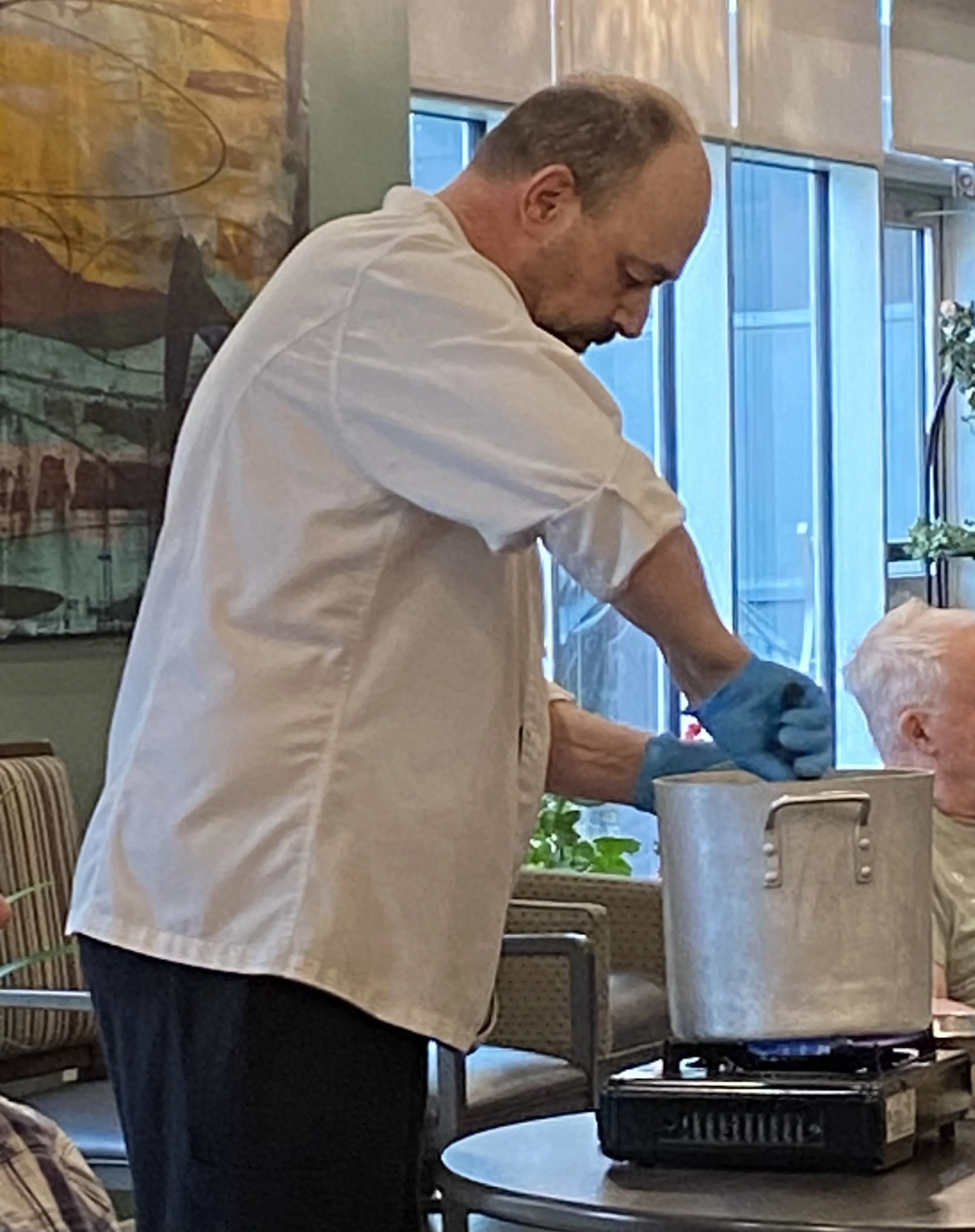
Our most recent Spring update was themed around the legend of “Stone Soup,” and we used this meeting to highlight contributions from our departments and from residents that help build the flavor of our culture. Our team dressed as “Villagers,” and we opened the meeting with a folk tale, explaining that each department and resident-led committee adds crucial ingredients to our community. At the center of our dining room, our chef played the role of the wise old traveler, cooking a soup in a large pot as the various presenters contributed ingredients, culminating in a wonderful, tasty soup for our attendees to enjoy.
I will admit that this kind of communication has risks. When you take a big swing, your ideas may bomb. But I would say the risk of less engaging communication is far worse, especially if you work in any arena of hospitality or community building. People are drawn to vision, and stories are the best way to transmit it. People are also hungry for data, but they want to understand it; pairing information with creativity brings it to life.
I’ll also add that business leaders have to choose to lead in creative communication. I lead a creative team, but it is my responsibility to foster an environment where team members can use their own talents to communicate creatively. It’s been my experience that if the team sees its leaders being creative, it gives them permission to try as well. Lead by example, and people will follow. You are creative, and you can develop the ability to animate data by bringing people into the story of your organization. Friend, let me encourage you: take that next newsletter, sales visit, or report and see how you can accomplish its goals with storytelling. If you’re stuck, shoot me a message. I’m happy to help.