A Church of Dictionaries
Some things just sound better in other languages. I attended French immersion from kindergarten to grade 12, so I know firsthand that some things sound much better in French. Here are a few examples.
“It’s the life.” “C’est la vie”
“I feel like I’ve seen this before.” “Deja vu”
“I miss you.” “Tu me manques.” This example has some extra nuance. It more directly translates to something like, “You are missing from me.” Implying that you are incomplete without that person's presence. The added perspective from a different tongue adds flavor to ideas that are important to us all. A world without different perspectives is bland and lacking in flavor. When speaking English, we use 31 sounds; did you know the language of the San people of the Kalahari Desert in Africa uses 141? I can only begin to imagine the nuance in those words that English cannot capture.
“What does it mean to be human and alive? When this question is asked, cultures worldwide answer in 7,000 different voices. Together, they form humanity’s collective response to challenges, one that will guide us over the next 2,500 generations as we journey forward.” -Wade Davis*
Those 7000 voices should matter to us. Thousands of stories, songs, jokes, and histories answer the question of what it means to be human and alive. As a traveler, I’ve come to appreciate the value of understanding is in gaining a new perspective on life.
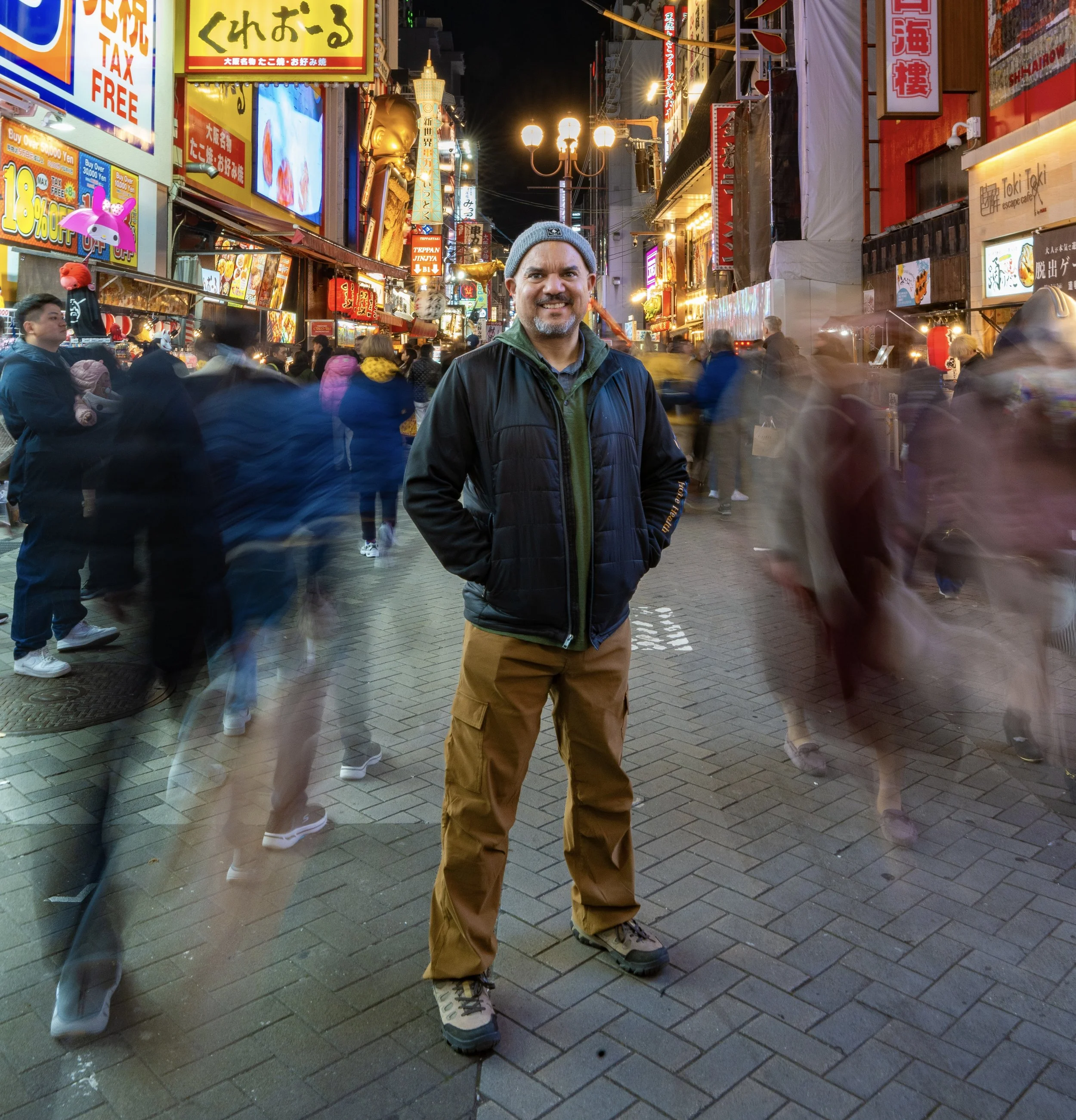
Diversity is often the key to solving our biggest problems; breakthroughs happen when potential meets opportunity. Yet, over just a handful of generations, the residual impacts of colonialism have awarded opportunities to cultures of Western empires, while often leaving indigenous peoples with less. The elimination of languages is a critical wound to unique cultures: every year, more languages become endangered and go extinct. This loss should make us stop and consider what challenges remain unsolved due to a lack of opportunity worldwide.
“There are millions of people around the world who could help make the world a better place, but don’t. Why is that? First, there’s the obvious reason: they don’t get the chance. After all, half the world’s people have to make do with less than seven dollars a day. How many lost Einsteins walk among them?”- Rutger Bregman**
This idea of diversity carries into other aspects of life, including faith. On Sunday, Christians celebrate Pentecost Sunday, the founding of the church. The story is found in the book of Acts, second chapter—a powerful reminder that diversity was a key element of the church from the very beginning.
“2 When the day of Pentecost came, they were all together in one place. 2 Suddenly a sound like the blowing of a violent wind came from heaven and filled the whole house where they were sitting. 3 They saw what seemed to be tongues of fire that separated and came to rest on each of them. 4 All of them were filled with the Holy Spirit and began to speak in other tongues[a] as the Spirit enabled them.”
5 Now there were staying in Jerusalem God-fearing Jews from every nation under heaven. 6 When they heard this sound, a crowd came together in bewilderment, because each one heard their own language being spoken. 7 Utterly amazed, they asked: “Aren’t all these who are speaking Galileans? 8 Then how is it that each of us hears them in our native language? -Act 2:1-9
When the early church experienced the miracle of tongues at Pentecost, possibilities opened up for that small group of believers. The account gives us a beautiful sense of welcome and hospitality, as people from all across the world hear their own languages woven into the gospel story. In the same way, we benefit from diverse languages and perspectives. I read the book of Acts as God opening the doors for humanity to ask what it means to be human, alive, and walking in faith. Every opportunity remains open to gain knowledge and experience from one another as we seek God's will for us to love one another.
If the story had been seized by a culture with a conquest mindset, the narrative would have been flipped, with everyone in Jerusalem suddenly understanding the believer’s language. A powerful, instant identity assimilation. But that didn’t happen.
If we embrace this powerful idea, we feel the truth that when we miss out on diversity, “Tu me manques,” and we are missing something greater. This part of scripture is evidence of inclusion that has helped push the boundaries of faith over thousands of years. This weekend is a celebration of the church's founding; may we find time to delight in the diversity of faces and voices around us. May we be a church with a library with over 7000 volumes of dictionaries.
Notes:
Davis, Wade “The Wayfinders”, House of Ansani Press 2009.
Bregman, Rutger. “Moral Ambition”, 2025